Transforma las devoluciones de moda en valor circular.

La nueva realidad
Green Deal europeo, reglas de no destrucción y el futuro del retail de moda
La industria europea de la moda está atravesando un cambio profundo impulsado por el Green Deal europeo, el Reglamento de Ecodiseño para Productos Sostenibles (ESPR) y las próximas regulaciones textiles de economía circular. La destrucción de prendas no vendidas, devoluciones y exceso de inventario se está convirtiendo rápidamente en una práctica no conforme, tóxica para la reputación e ineficiente desde el punto de vista financiero.
Los retailers de moda se enfrentan hoy a:
- Volúmenes crecientes de devoluciones y prendas no vendidas
- Mayor presión regulatoria contra la destrucción de textiles
- Reporting obligatorio ESG y CSRD
- Costes crecientes de almacenamiento, liquidación y gestión de residuos
- Riesgo de marca asociado a los residuos textiles y a la huella ambiental
Sin una infraestructura estructurada de logística inversa textil y economía circular, las marcas de moda corren el riesgo de convertir su inventario en activos inmovilizados.
Cronología normativa
Divulgación pública obligatoria
Las grandes empresas deben informar públicamente del número y peso de los productos no vendidos destruidos, las razones, las operaciones de tratamiento de residuos y las medidas adoptadas para evitar la destrucción.
Prohibición de destrucción — grandes empresas
Se prohíbe toda destrucción de prendas, accesorios y calzado no vendidos. Esto incluye el triturado realizado solo para reciclar. Solo se aplican excepciones limitadas y justificadas.
Entrada escalonada para empresas medianas
Las empresas medianas deberán cumplir tanto la prohibición de destrucción como las obligaciones de divulgación. La UE está cerrando el círculo: nadie queda exento.
Pasaporte digital del producto (DPP)
Cada prenda llevará un historial digital de su ciclo de vida — materiales, huella e itinerario de final de vida. La trazabilidad total pasa a ser la norma.
Divulgación pública obligatoria
Las grandes empresas deben informar públicamente del número y peso de los productos no vendidos destruidos, las razones, las operaciones de tratamiento de residuos y las medidas adoptadas para evitar la destrucción.
Prohibición de destrucción — grandes empresas
Se prohíbe toda destrucción de prendas, accesorios y calzado no vendidos. Esto incluye el triturado realizado solo para reciclar. Solo se aplican excepciones limitadas y justificadas.
Entrada escalonada para empresas medianas
Las empresas medianas deberán cumplir tanto la prohibición de destrucción como las obligaciones de divulgación. La UE está cerrando el círculo: nadie queda exento.
Pasaporte digital del producto (DPP)
Cada prenda llevará un historial digital de su ciclo de vida — materiales, huella e itinerario de final de vida. La trazabilidad total pasa a ser la norma.
Plataforma de circularidad para moda
Infraestructura integral de logística inversa textil y economía circular
ASAP Reverse Logistics ofrece una plataforma escalable de circularidad para retailers de apparel, marketplaces y marcas de moda en Europa.
Logística inversa textil y gestión de devoluciones
Recogemos y procesamos devoluciones de clientes, inventario de moda no vendido, sobrestock de fin de temporada y SKU de apparel obsoletos. Nuestra infraestructura soporta devoluciones a gran escala, recogida multipaís y procesamiento textil centralizado.
Clasificación textil, grading y routing circular
Cada lote de ropa se clasifica en prendas revendibles, textiles reutilizables y residuos textiles no revendibles. Optimizamos la ruta circular: reventa, reutilización, donación o downcycling, para que cada artículo siga el camino de mayor valor.
Trazabilidad y seguimiento digital para cumplimiento ESG
Cada flujo textil se documenta digitalmente, permitiendo la trazabilidad de devoluciones de moda, reporting ESG audit-ready, documentación CSRD y prueba de rutas sin destrucción. Visibilidad total sobre cada kilogramo de textil procesado.
Downcycling textil en productos circulares
Las prendas no revendibles se transforman mediante downcycling textil de bajo impacto en productos circulares duraderos — alfombras tejidas con cordele textile — garantizando cero destrucción, mínimo residuo, recuperación de materiales y extensión del ciclo de vida del producto.
La historia del downcycling
Donde termina la fast fashion, empieza la artesanía lenta
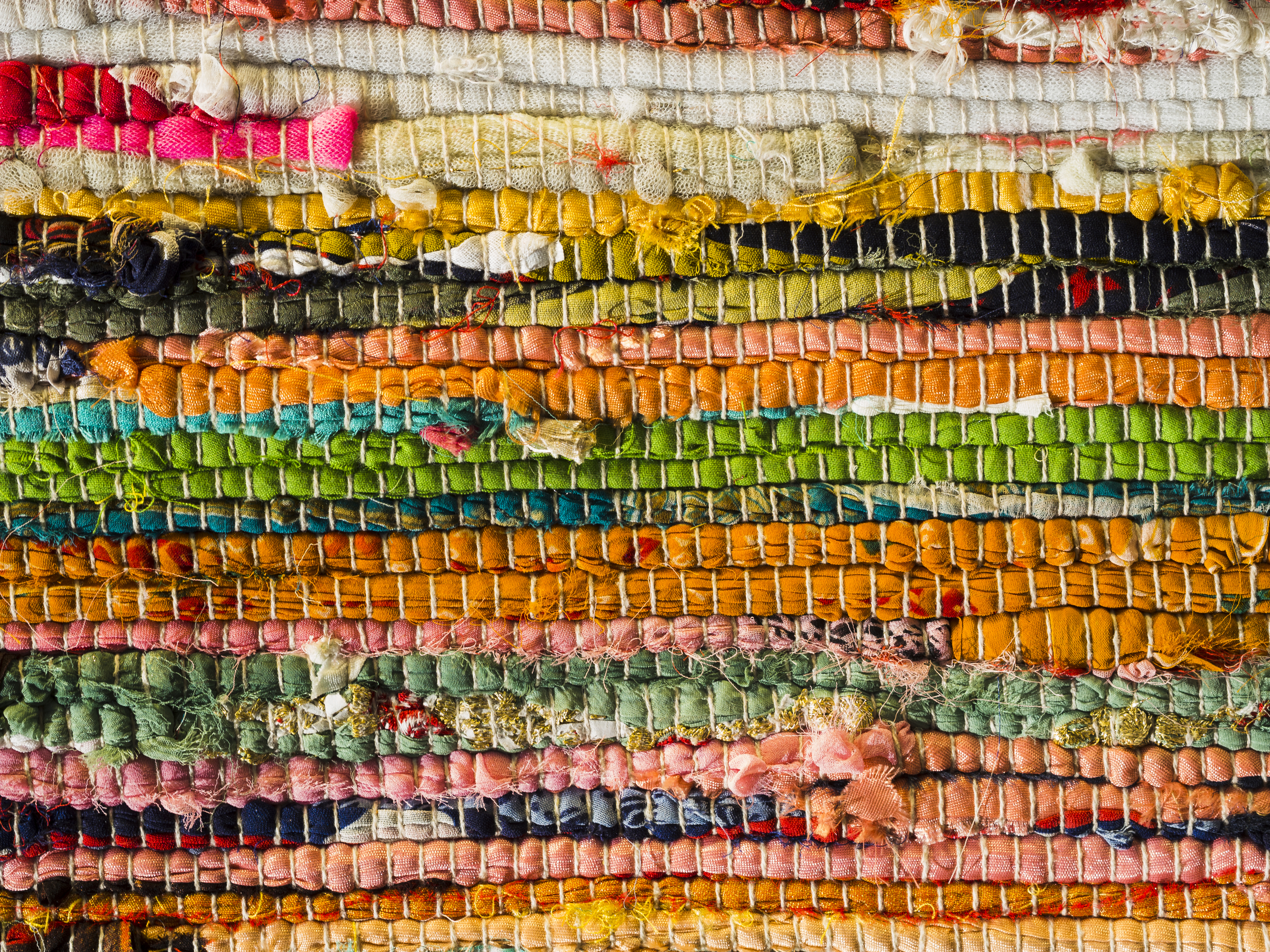
Covoare de Cordele
Una tradición artesanal rumana de siglos. Alfombras de retales tejidas en telares de madera que convierten tejidos viejos en piezas cálidas y hermosas.
.png)
I — Las montañas
En las alturas de los Cárpatos, el tiempo avanza de otra manera
Lejos de los corredores logísticos de Europa y de las capitales de la moda, en los Cárpatos rumanos hay pueblos donde los telares de madera siguen estando en los salones. Donde tejer no es una tendencia, sino memoria. Generaciones de mujeres han transmitido el arte del covor de cordele, la alfombra de retales: tiras de tela vieja, trenzadas y tejidas para crear algo resistente, colorido y cálido.
II — Las mujeres
Más de 50 años. Invisibles. Extraordinarias.
En estas comunidades de montaña, las mujeres mayores de 50 años afrontan una realidad imposible. Demasiado mayores para las fábricas. Demasiado lejos para las oficinas. Demasiado “no cualificadas” para la economía moderna. Pero sus manos poseen una habilidad que ninguna máquina puede replicar: el arte antiguo y paciente de transformar tejidos descartados en belleza tejida. No necesitaban una segunda oportunidad. El mundo necesitaba ponerse a su altura.
III — La conexión
Tus prendas no vendidas se convierten en su sustento
Cuando tu ropa devuelta o no vendida llega a nuestras instalaciones, se clasifica, se gradúa y se categoriza. Los artículos que no pueden revenderse ni donarse — manchados, dañados o fuera de temporada — se cortan en tiras y se envían a nuestros talleres de montaña. Allí, las mujeres los tejen en alfombras de retales: piezas únicas, artesanales y totalmente trazables. Cada alfombra lleva una historia: la marca que una vez vistió, las manos que la tejieron y el pueblo donde volvió a nacer.
IV — La prueba
Trazabilidad completa. Cumplimiento completo. Corazón completo.
Cada prenda que entra en nuestro flujo de downcycling queda documentada. Recibes un certificado digital de trazabilidad: fecha de entrada, peso, estado, método de downcycling, taller y producto final. No es solo una cifra en un informe de sostenibilidad; es una historia que puedes contar a tus clientes, a tu consejo y a los reguladores.
Impacto social en la moda circular
Downcycling textil inclusivo
"Restaurar el valor que otros dieron por perdido, para que ni las cosas ni las personas se desperdicien."
Nuestras operaciones de circularidad en moda están arraigadas en una región montañosa de Europa del Este, una zona con acceso limitado al empleo industrial. El proceso de downcycling textil es llevado a cabo por mujeres mayores de 50 años, personas desempleadas de larga duración y trabajadores en riesgo de exclusión social.
.svg)
Empleo local estable
Ingresos directos para mujeres mayores de 50 años en aldeas remotas de los Cárpatos, poblaciones con casi nulas oportunidades de empleo formal y sin acceso a los mercados laborales urbanos.
Preservación del patrimonio e inclusión social
Mantener viva la tradición centenaria de las alfombras de retales rumanas mientras se construye resiliencia económica en comunidades rurales y de montaña.
Métricas ESG medibles
Las marcas de moda pueden integrar directamente en su reporting ESG y CSRD métricas sociales claras: empleos creados, comunidades apoyadas y CO₂ evitado.
Esto permite a las marcas de moda integrar métricas sociales medibles directamente en su reporting ESG y de sostenibilidad, creando un vínculo claro entre economía circular y responsabilidad social.
El proceso
De stock no vendido a valor circular
Recoger
Devoluciones de clientes, inventario no vendido y sobrestock de final de temporada — logística FTL en 27 países de la UE.
Clasificar y graduar
Triaje inteligente: prendas revendibles, textiles reutilizables y residuos no revendibles. La ruta circular se optimiza.
Preparar
Los textiles no revendibles se limpian, se cortan en tiras, se ordenan por color y se envían a los talleres de montaña.
Tejer
Las artesanas tejen a mano las tiras en telares tradicionales para convertirlas en alfombras únicas, una a una.
Certificar
Certificado digital completo de trazabilidad: entrada, proceso y resultado. Documentación lista para ESPR.
Trazabilidad y cumplimiento ESG
El expediente que te protege
Según el ESPR, debes demostrar que has tomado todas las medidas razonables para evitar la destrucción. Las ventanas para donación, las rutas de reutilización y el downcycling documentado no son opcionales: son tu escudo legal.
Nuestro sistema de trazabilidad te ofrece un registro audit-ready de extremo a extremo para cada prenda que entra en nuestras instalaciones. Desde el escaneo del código de barras en la recepción hasta el certificado final del producto, cada paso queda sellado en el tiempo, fotografiado y almacenado.
No es una historia de sostenibilidad que cuentas. Es un expediente de cumplimiento que posees.
Manifiesto de entrada
Documentación a nivel de SKU o lote. Cantidades, pesos, grados de estado e identificadores de marca; todo queda registrado en la recepción.
Cadena de custodia
Desde tu almacén hasta nuestras instalaciones y luego al taller de montaña. Cada transferencia queda documentada. Sin huecos.
Prueba visual
Evidencia fotográfica del clasificado, corte y tejido. Muestra a tus auditores y clientes exactamente lo que ocurrió.
Certificado digital
Informe de trazabilidad alineado con ESPR por lote. Preparado para divulgación anual, reporting al consejo o integración con DPP.
Dashboard de impacto
CO₂ ahorrado, kg desviados, empleos apoyados y alfombras producidas. Datos reales para filings ESG y reporting CSRD.
Por qué trabajar con nosotros
Por qué los retailers de moda eligen ASAP Reverse Logistics
Cumplimiento del Green Deal europeo
Alineación total con la prohibición ESPR de destruir textiles, la divulgación obligatoria y los futuros requisitos DPP.
Garantía de cero destrucción
Eliminación de la destrucción de prendas y del vertido mediante rutas documentadas de reventa, reutilización y downcycling.
Trazabilidad textil completa
Seguimiento digital de extremo a extremo y reporting ESG audit-ready para cada kilogramo de textil procesado.
Mejores tasas de recuperación
Routing circular multicanal — reventa, reutilización, donación y downcycling — para maximizar el valor recuperado de las devoluciones de moda.
Sin necesidad de CAPEX
Integración en la economía circular sin inversión de capital. Te conectas a nuestra infraestructura ya existente en 27 países de la UE.
Impacto social y ambiental
Métricas de impacto social medibles — empleo en zonas de montaña, preservación del patrimonio, reducción de CO₂ — listas para tu informe de sostenibilidad.
A quién servimos
Circularidad en moda para cualquier escala
Construye tu estrategia de circularidad en moda
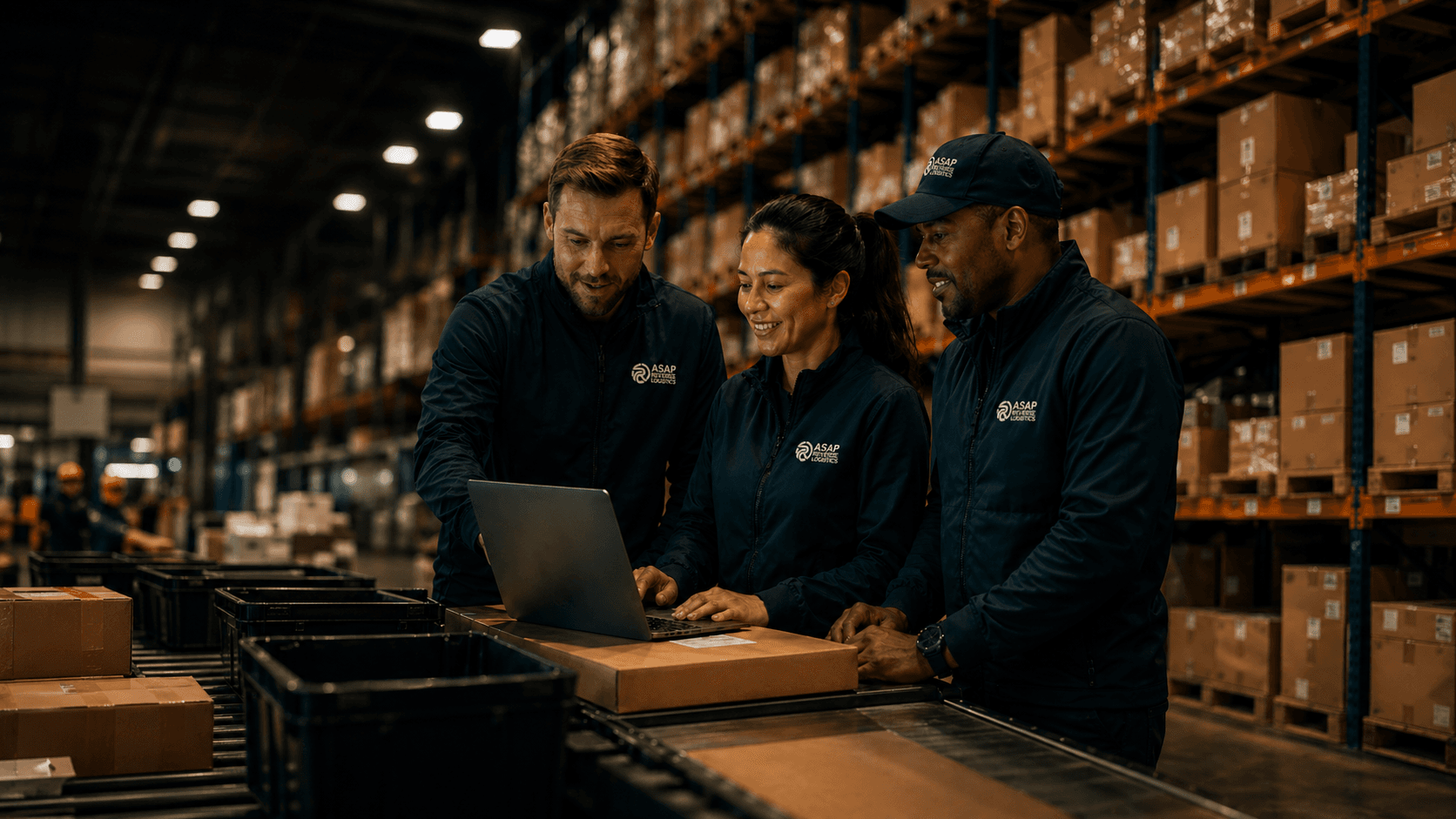
Tanto si operas un marketplace de moda multipaís como una red retail de marca única, ASAP Reverse Logistics te permite convertir la presión regulatoria en una ventaja competitiva gracias a soluciones circulares para textiles que son conformes, trazables y con impacto social real.